
Stories from the Community

Why Did Your Language Solutions Business Become a Certified Benefit Corporation for Good? (30 Seconds Vid)
Do you know why a language solutions company becomes a certified Benefit Corporation for Good? Here's the answer from William Tongsiri, founder and leader of PASA Language Solutions.

Why Did Your Video Production Company Become a Certified Benefit Corporation for Good? (30 Seconds Vid)
Do you know why a video production company becomes a certified Benefit Corporation for Good? Here's the answer from Erik Croswell, founder and leader of Bridge City Media.

Why Did Your Bank Become a Certified Benefit Corporation for Good? (30 Seconds Vid)
Do you know why a bank becomes a certified Benefit Corporation for Good? Here's the answer from Lisa Fajardo Faust, senior VP at Pacific West Bank.

The Greater Good - Volume 4, Issue 8
When a business becomes a purpose-driven business, there's a big shift in its thinking and acting. Businesses change from thinking “how much profit can I make” to “how much good can I do while still making a profit.”
Now I know it’s a big shift. But the research supports small businesses making this shift as employees and consumer are wanting more, make that demanding more, from businesses.

How 69 Small Businesses are Disrupting their Industries

11 Tips for Your Small Business to Create Social Impact
What is one simple step a small business can take to create social impact?
To help you identify simple steps to take for your small business to create social impact, we asked our Benefit Corp community and other business leaders this question for their best insights. From living by example to focusing on individuals, there are several tips that small business owners could follow to make a meaningful impact in the communities and beyond.
Here are 11 tips these small business leaders follow to create social impact:
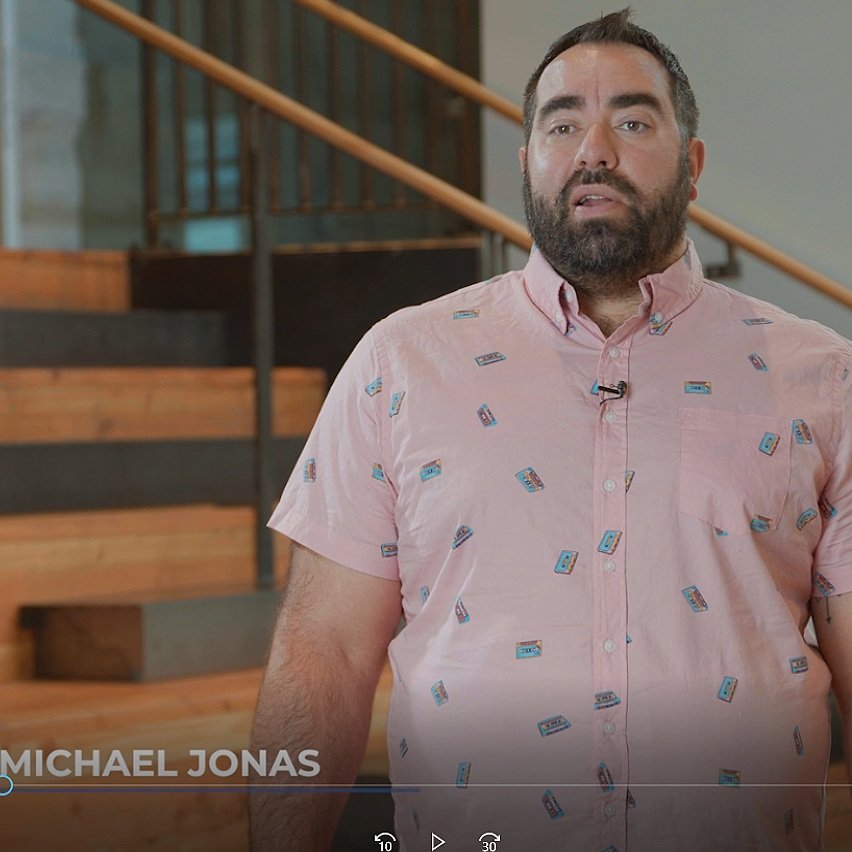
Why Did Your Law Firm Become a Certified Benefit Corporation for Good? (30 Seconds Vid)
Do you know why a small law firm becomes a certified Benefit Corporation for Good? Here's the answer from Michael Jonas, founder of Rational Unicorn Legal Services.

What an Idaho Optics Start-Up Saw in Becoming Part of a Triple Bottom Line Community
Why Did My B2C Small Business Become a Certified Benefit Corporation for Good (:30 Seconds Vid)?
Do you know why a B2C small business becomes a certified Benefit Corporation for Good? Here's the answer from Jacoba Gundle co-founder of Mindful Proteins featuring Tatu.

Why Did Your Small Business Become a certified Benefit Corporation for Good? (1 Minute Vid)
5 Reasons Our Small Business Became a certified Benefit Corporation for Good
Many people have asked us what is a certified Benefit Corporation for Good? To help answer that, a video series has been created with responses from the leaders of our growing purpose-driven community. Here's the first of 6 different videos:

The Greater Good - Volume 4, Issue 7
In his most excellent book "Tomorrow's Capitalist," Alan Murray, CEO of Fortune Media, talks about his search for the soul of business. As a journalist, Murray cites important research and data points in making his argument for the "force for good" corporation.
Specifically, he uses early 2021 research from Edelman and their Trust Barometer survey. In it, more than 33,000 people in 29 countries are asked questions about trust in businesses, governments and institutions.
Key finding: 86% agreed with the statement, "I expect CEOs to publicly speak out on one or more of these societal challenges, pandemic impact, job autiomatic, society issues, local community issues."
But is their a roadmap to doing that?

Why a Portland Technical Fabricator Built Its Company on the Triple Bottom Line
The motivation for Willamette Technical Fabricators (WTF) becoming an Oregon Benefit Company was simple. The business and its founder wanted to inspire other companies in the manufacturing sector. After all, it’s not too common when you talk about a metal fabricator creating environmental and social impact. But that is exactly the mission of WTF.

11 Reasons To Build a Purpose-Driven Business Now
What is the single best reason to become a purpose-driven business?
To help you become acknowledge the benefits of building a purpose-driven business, we asked purpose-driven business leaders and CEOs this question for their best insights. From attracting top talent to becoming more problem-resistant, there are several reasons why you should build a purpose-driven business now.
Here are 11 reasons why these leaders recommend you build a purpose-driven business…

12 Tips to Improve Green Practices at The Office
What is the single best tip to help boost environmental impact for a small business?
To help small businesses boost their environmental impact, we asked environmental experts and business leaders this question for their best tips. From focusing on energy efficiency to not neglecting small and local environmental changes, there are several tips that may help small businesses take the best steps to improve green practices at the office.

The Greater Good - Volume 4, Issue 6

How To Craft an Annual Benefit Report for Your Benefit Corporation
One of the three requirements in becoming a benefit corporation is to create and distribute an annual benefit report to your stakeholders.
The State of Oregon’s statute regarding benefit companies states that the report must:
Identify the business’s actions and methods used to provide a general or specific public benefit
Identify any circumstances that hindered or prevented a benefit, and
Identify how well the benefit company met or exceeded the third party standard

The Greater Good - Volume 4, Issue 5
As a community, you'll find our businesses all strong believers and practitioners of a diverse, equitable and inclusive workplace. In fact, it is one of the 8 standards they must meet to become a certified Benefit Corporation for Good.
But more than that, the leaders of these purpose-driven businesses realize that embracing DEI (Diversity/Equity/Inclusion) is not only the right thing to do, it is the right thing to do to grow their businesses. Consider these recent research findings:
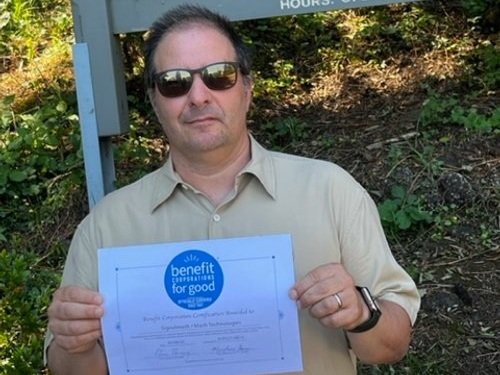
How an Oregon Startup Is Putting Soul into the Tech World
From the get-go, the leadership team of the Signalmash brand at Mash Technologies asked themselves a simple question: “What does it mean to be a responsible tech company today?”
They found their answer with 3 simple words: People, Planet, Profit and the pillars of a benefit corporation.
Taking a triple bottom line approach to business made it easy to answer the hard questions of building a tech organization. If the action the company was evaluating didn’t also positively impact people and planet, the answer was a simple “no.”